

A cloud foundation that can be sited, bounded and documented
Edora Cloud can be established on dedicated hardware inside a secured facility and operated under a specifically agreed responsibility model.
The platform is European-owned and operated from Denmark, and is today suited to unclassified and official-use environments.
BENEFITS
Three properties that have to withstand verification

The platform can sit in the controlled location
The entire cloud foundation can be established in a suitable facility on your own site. Workloads and data therefore never need to leave the agreed location.

Local resilience when the network drops
An installation can be designed so that agreed workloads and platform functions continue locally if the connection to other environments is cut.

The supply chain can be described concretely
Ownership, operational roles, administrative access, subcontractors and the division of responsibility are documented for each individual solution.
DEFENCE PROCUREMENT
Critical operations demand more than high uptime
For defence and emergency-services organisations, data protection and availability are baseline requirements. The decisive assessment also covers classification, accreditation, jurisdiction, supplier dependency, and the ability to keep operating when connections are severed.
Edora Cloud is built for organisations that must be able to document who controls the infrastructure, where the data sits, and how critical functions continue under pressure.
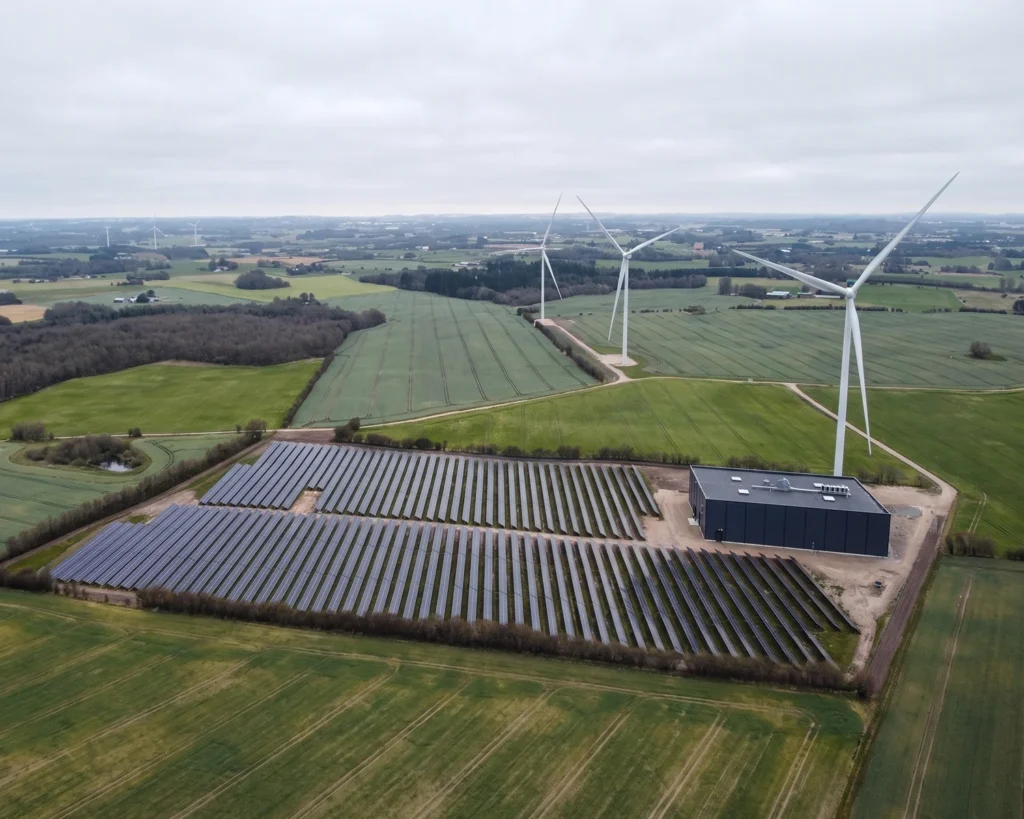
EU CLOUD IN A BOX
The cloud platform inside your own secured facility
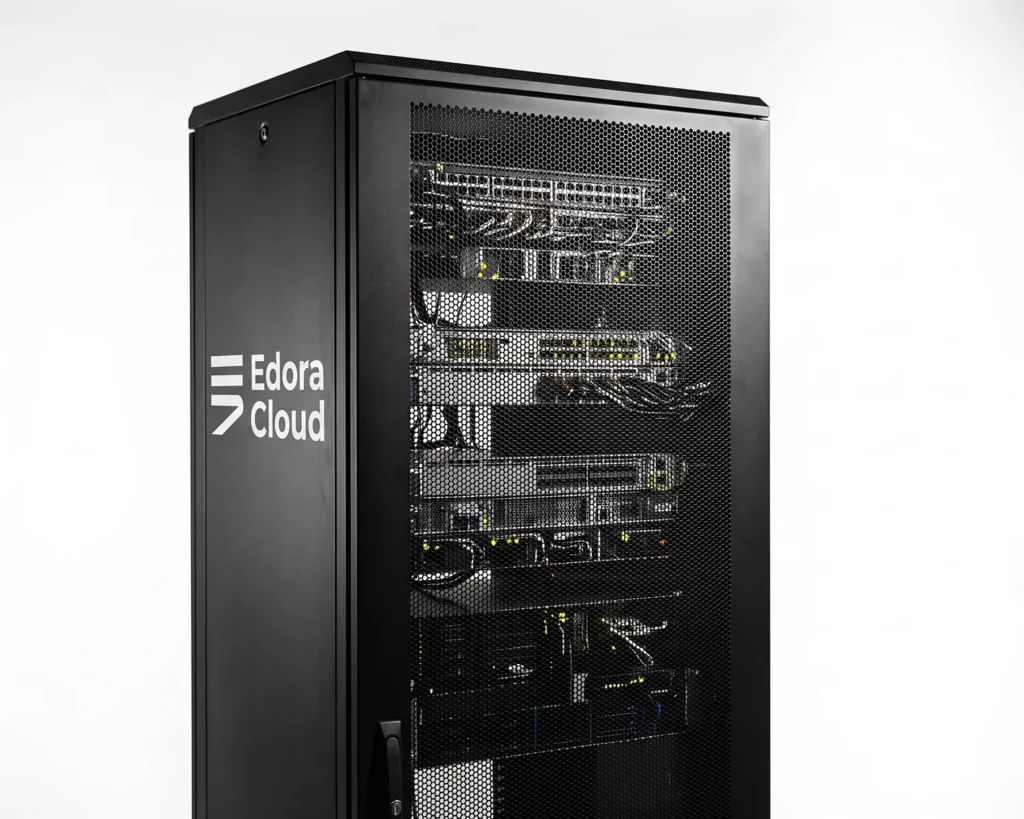
EU Cloud in a Box delivers Edora Cloud on dedicated hardware, either in your own facility or at Edora.
Edora sizes and establishes compute, storage and networking, integrates the platform with the agreed infrastructure, and operates the underlying cloud foundation.
Where the platform sits on your site, your organisation provides the agreed power, cooling, network and physical security infrastructure.
EDORA CLOUD CONNECT
Multiple locations can be connected directly
Cloud Connect can link directly attached customer, cloud and datacentre locations across Edora’s own optical backbone.
That provides a controlled transport path between the connected environments, with no public internet transit on the internal connection. The specific network model is set according to locations, capacity and security requirements.
-
“You don't build one large datacentre that can be taken out by a drone or anything else. You distribute your vulnerability.”

QUESTIONS & ANSWERS
Questions typically settled before procurement
What classification level is the platform intended for?
Today the platform is intended for unclassified and official-use environments. Higher classification levels require a specific approval and accreditation process.
Can the systems sit in our own secured location?
Yes, provided the facility meets the agreed requirements for power, cooling, networking, physical security and access.
What keeps working if we lose connectivity?
That depends on the architecture. The local functions that must continue are defined and tested as part of the solution.
Can the platform form part of a later change of supplier?
The open foundation gives better technical conditions for an exit. Actual portability also depends on your applications, data and integrations.
Can we move to another supplier later on?
The platform is based on open technologies such as OpenStack, KVM and Ceph. That reduces dependence on proprietary services and gives a more controllable basis for migrating workloads and data.
What documentation can we rely on?
Edora Cloud is audited to ISAE 3402 Type 2 and ISAE 3000. Relevant architecture, security and operations documentation can also feed into the assessment of a specific solution.