

Robust supply requires robust digital infrastructure
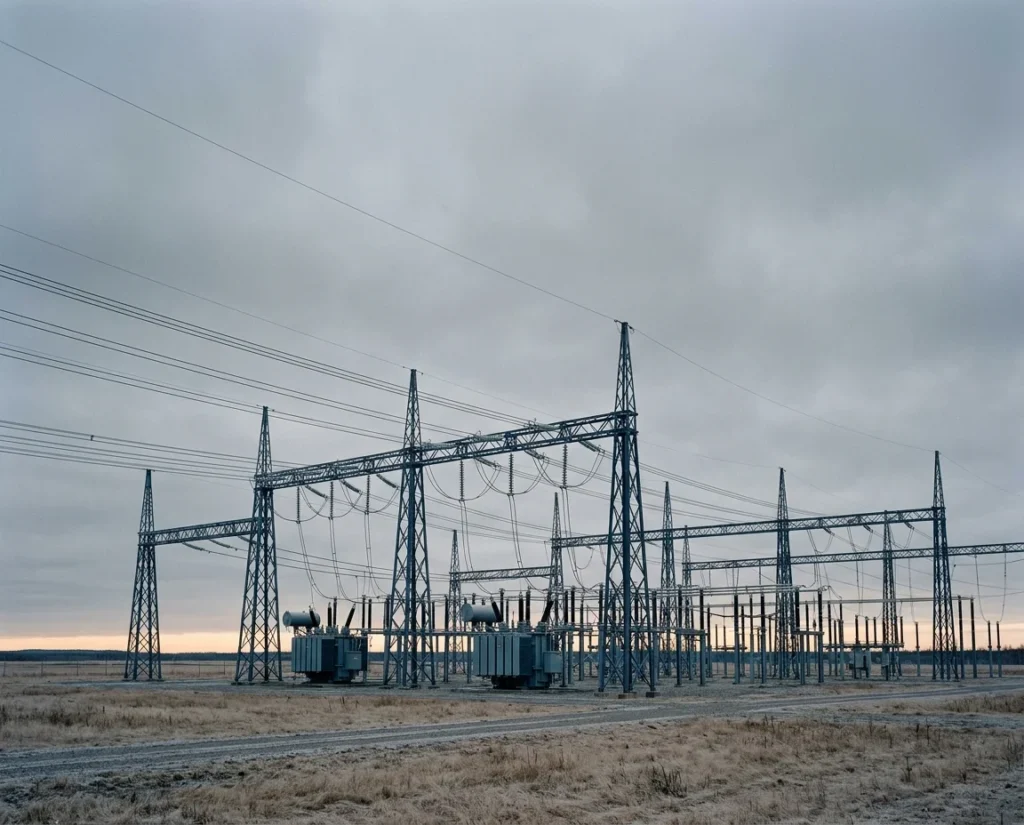
Edora Cloud can be sited close to the plant and used for the workloads around the OT environment that need local data processing, low latency, or a controlled route to backup and geographic redundancy.
THE STARTING POINT
Digital operations have become part of the plant
A utility’s digital environment is rarely one single platform. Control systems, integration layers, data acquisition, analytics, administrative systems and development environments all have different requirements for siting and continuity.
So the task isn’t to move the OT environment into the cloud. The task is to place the surrounding workloads on a foundation that integrates with existing operations without creating a new, unnecessary dependency.
Edora starts from your actual systems and distinguishes between what has to stay in the specialised OT core, what can run locally on Edora Cloud, and what is better placed centrally.
THE SETUP
Four advantages of placing cloud capacity closer to operations
The same platform at every level, operated by Edora. Capacity can later move to a datacentre unit at your own energy production site.

Process data where it originates

Preserve agreed local functions

Run the same platform in several places

Document siting and responsibility
Data location, backup, replication, access paths and the division of responsibility are described as part of the specific architecture.
The OT core
Typically stays on the specialised platform
Systems with direct bearing on the physical process are assessed separately and are not moved as part of a general cloud migration.
- Real-time control
- Safety and protection functions
- Systems tightly bound to physical equipment
- Specialised industrial protocols
Local Edora Cloud
Likely candidates close to the plant
Workloads around the OT environment can get a cloud foundation locally, where siting, data volumes or latency require it.
- Integration and middleware layers
- Local data acquisition and processing
- Stable VM-based support functions
- Local analytics and visualisation environments
Central capacity
Likely candidates at Edora
Less location-sensitive workloads can be consolidated centrally and connected to the local platform as needed.
- Cross-cutting analytics
- Development and test
- Backup and archive
- Less latency-sensitive systems
EU CLOUD IN A BOX
The whole cloud platform in your own facility
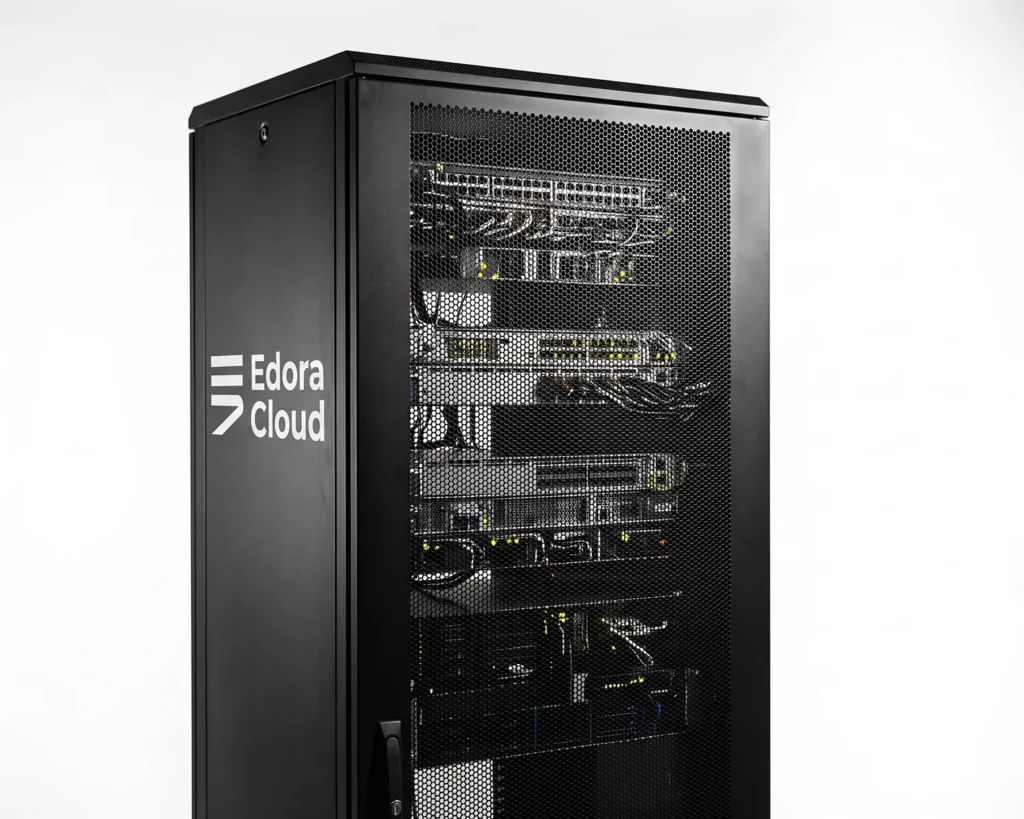
EU Cloud in a Box is Edora Cloud delivered on dedicated hardware. The capacity can be installed in your own datacentre or hosted at Edora.
You get compute, storage and networking, with access through a portal, API, CLI and Terraform. Edora sizes, establishes, monitors and maintains the cloud foundation.
Where it sits on your site, the solution is integrated with the agreed power, cooling and network infrastructure. You are responsible for workloads and applications, while responsibility for the underlying platform layer follows the operations agreement.
EDORA CLOUD CONNECT
Connect plant and datacentres through Cloud Connect
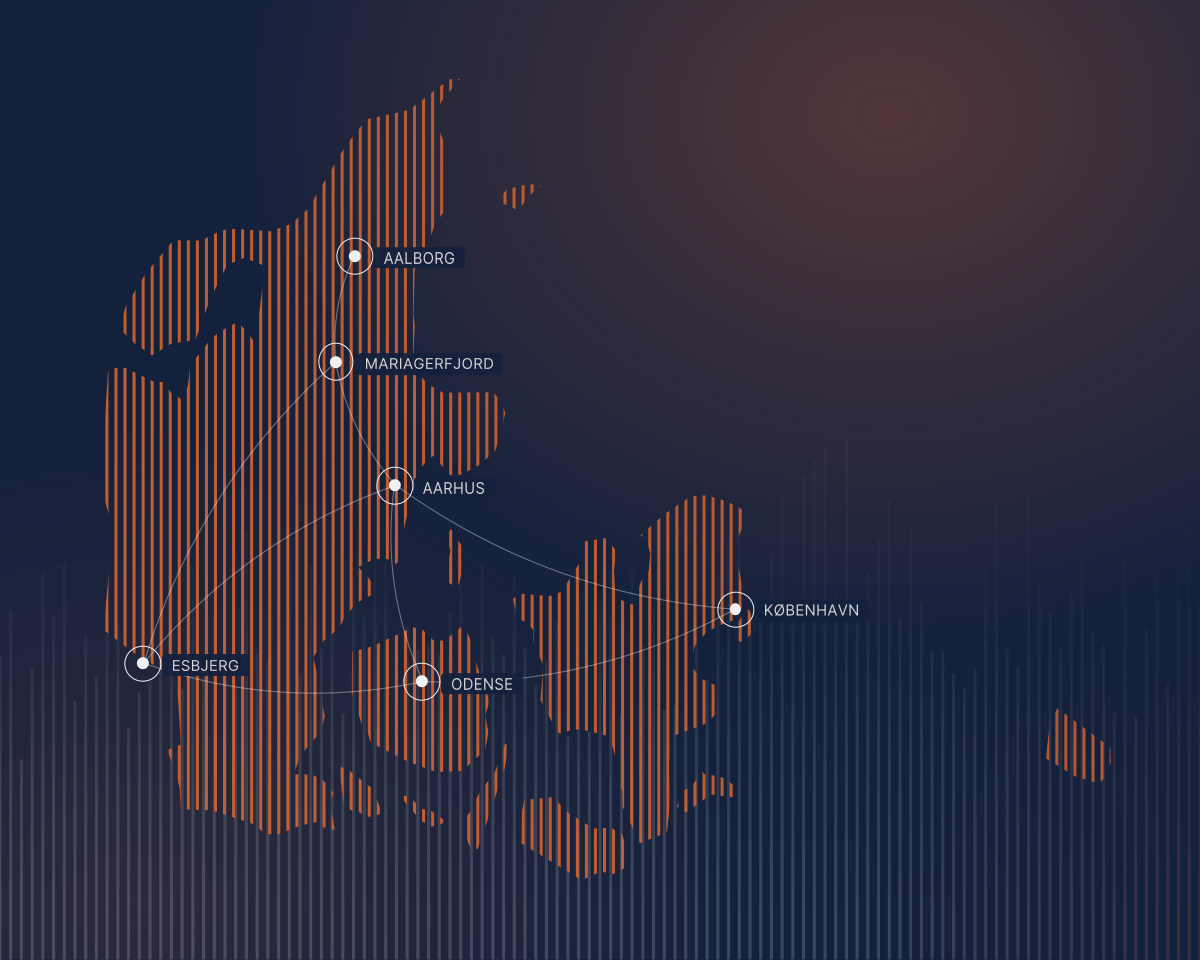
Cloud Connect can link directly attached plant, customer installations and Edora’s datacentre infrastructure across a redundant optical backbone.
That provides a controlled transport path for data, backup and replication among other things. Internal traffic between directly attached locations need not touch the public internet.
Capacity, failover and replication are matched to the specific locations and operational requirements.
ENERGY PARKS
Capacity close to energy production
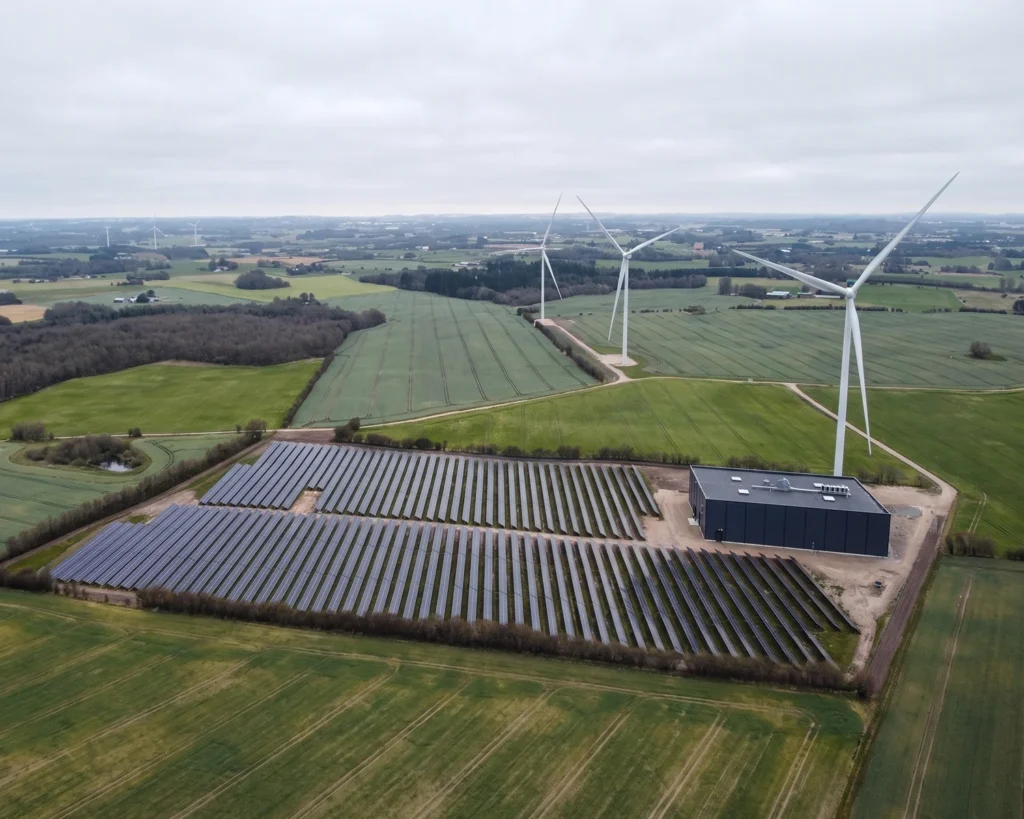
Edora’s renewable-energy datacentres place larger datacentre capacity inside energy parks, close to wind and solar generation.
For energy and utility companies, the model may in time suit larger compute and data-processing needs, where siting, energy supply and datacentre capacity have to be considered together.
The renewable datacentres are under construction and form part of Edora’s roadmap.
-
“It is easier and cheaper to send data to a datacentre over fibre than it is to transport electricity along a cable.”

QUESTIONS & ANSWERS
What utilities most often assess
Is "data in Europe" enough on its own?
Not by itself. A platform operated by a non-European operator is subject to that operator's home legislation, regardless of the servers sitting in Europe. Edora is European when it comes to ownership, operations and control alike.
Can the platform sit close to our plant?
Yes. The whole platform can be delivered and operated in your own datacentre or substation via EU Cloud in a Box, so OT-adjacent and latency-critical workloads are processed locally.
What happens if connectivity is lost?
Each location operates independently. If the link drops, operations and workloads continue locally, and replication resumes automatically once connectivity is restored.
How does the platform support NIS2?
Security, audit logging, access management and supplier governance are built into the platform, producing the documentation regulators ask for.
Can we migrate away again?
Yes. The platform is open source with no proprietary layers, so workloads and data can be moved. An exit is technically real, not merely described in a contract.