

The European sovereign cloud alternative to the tech giants
THE PRINCIPLES
Four principles behind the platform

European control at every layer
Ownership, operations and contractual terms sit under Danish and EU law. Accountability is clearly placed and can be documented.

Open source
The platform is built on OpenStack, KVM and Ceph. Standardised technologies give greater transparency and a genuine way forward.

Resilience as architecture
Three active controllers, data kept in three copies and redundant fibre links. A single fault does not stop operations.

Predictable terms
Transparent pricing, dedicated capacity and clear agreements make the infrastructure easier to govern over time.
THE FOUNDATION
Three foundations we own all the way down
Genuine digital sovereignty requires control of the entire technology stack. That is why we have built all three layers ourselves — as your guarantee of real independence.
The cloud platform
A scalable cloud architecture built on open source: OpenStack, Ceph and KVM. Open and transparent, with no proprietary lock-in.
The network
A redundant national backbone on our own optical transit connections. Data never leaves our own network in transit.
The energy-driven datacentres
Developed with Eurowind Energy and Aalborg University. The upcoming datacentres are being sited inside energy parks, so we move data instead of electricity.
THE STORY
From Danish cloud platform to national infrastructure
-
2024
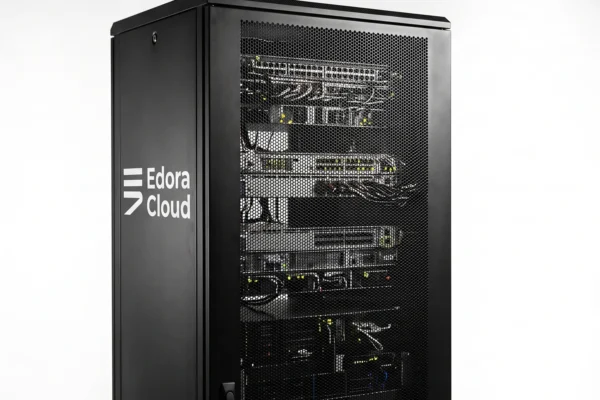
Edora Cloud is built and enters operation
Development begins in March. After the first test and pilot phase, Edora Cloud officially enters operation on 5 December.
-
2025
Cloud moves closer to the energy
Edora enters into a partnership with Eurowind Energy and Aalborg University on datacentres located directly inside Danish energy parks.
-
2026
The platform scales nationally
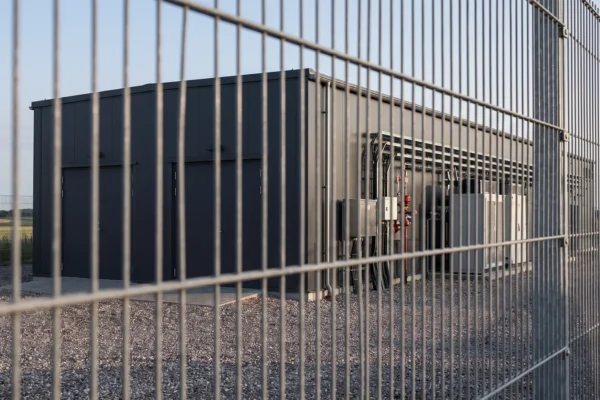
Edora Cloud is extended with Cloud Connect, dedicated customer capacity and the first planned renewable datacentre in Mariagerfjord.
-
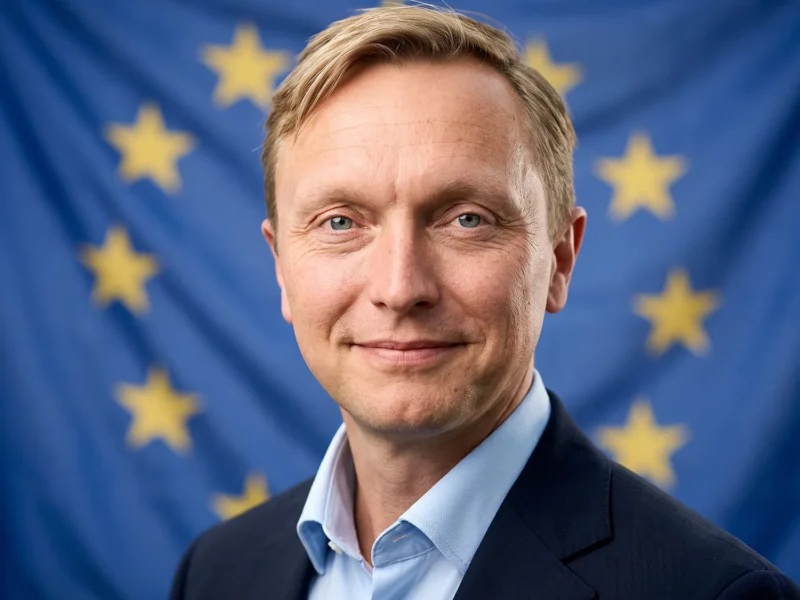
Controlled growth, with a balance between investment and revenue. With the Edora Cloud solutions, Denmark and Danish businesses will once again be able to stand in their own right.
SELECTED PROFILES
The experience behind Edora Cloud
Meet a selection of the specialists behind Edora Cloud. The team has experience with infrastructure for NATO, MitID, the financial sector and critical public systems.
-
Finn Eriksen
Director of Cloud, Security & DevOps
-
Anders Agger
Product Owner ∙ Edora Cloud
-
Kim Lohse
Network Architect ∙ Edora Cloud
-
Søren Pedersen
Cloud Architect ∙ Edora Cloud
-
Charlotte Aakerlund
Project Management & Customer Migration
FAQ
A few questions we often meet
Who is behind Edora Cloud?
Edora Cloud is built and operated by Edora A/S, a Danish IT company responsible for both the platform and its day-to-day operations.
Where is our data located?
Capacity is placed in Danish datacentres, either with Edora or in your own datacentre through EU Cloud in a Box.
Which technology is the platform built on?
The platform is built on OpenStack, KVM and Ceph, among other technologies. It can be managed through a portal, API, CLI and Terraform.
Who is Edora Cloud built for?
Public authorities, energy and utility companies, defence and emergency-response organisations, and private businesses with high requirements for control and sovereignty.
How does a migration work?
We map the existing environment and assess what can be moved directly, what requires adaptation, and what should stay where it is.
How are security and compliance documented?
Documentation is tailored to the specific solution and can cover architecture, data location, access arrangements, operational processes and the relevant audit statements.