
The demand for cloud, AI and digital preparedness is growing. So is the power consumption of datacentres. That is why the debate about tomorrow’s cloud infrastructure also has to be about where computing capacity is placed, and how the energy reaches it.
Cloud strategies usually begin with software, security, compliance and economics. Power turns up later, as a practical question of capacity and connection.
That order makes less and less sense.
A datacentre is physical infrastructure. Servers need power, cooling and networking, and as the demand for computing capacity rises, access to energy becomes a decisive part of the cloud’s architecture.
The usual order should be reversed
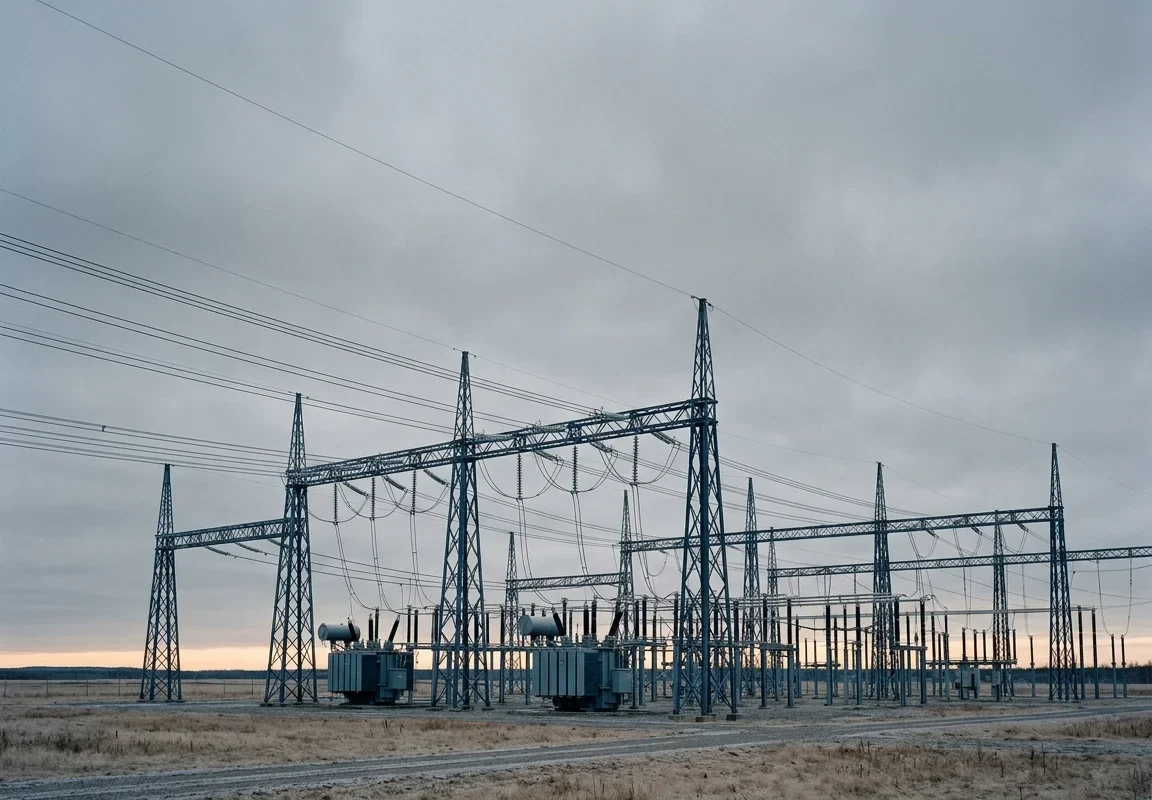
Traditionally, you find a site for the datacentre and then investigate how the necessary power can be brought to it. That can require extensive grid reinforcement and lengthy connection processes in an electricity grid that already has to absorb the electrification of transport, industry and heating.
At Edora Cloud we work in the opposite order: the datacentre is placed where the energy is produced.
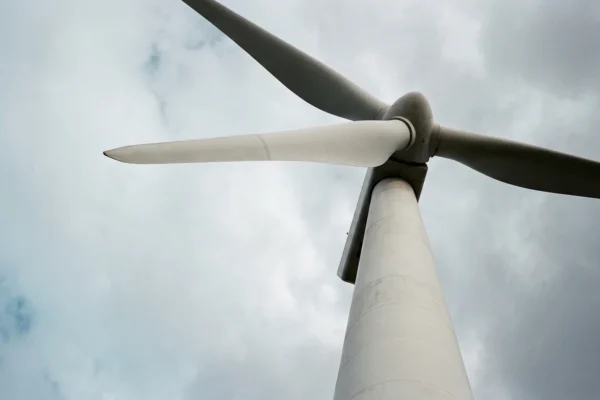
Denmark has substantial production of renewable energy from wind and sun. The challenge is not only how much power is produced, but also where it is available, and whether the grid has the capacity to carry it onwards.
When computing capacity is placed directly in the energy park, the power can be used closer to where it is generated. The data travels through fibre instead.
It is easier to move data than power.
Fibre makes the location less dependent on the user
A datacentre does not have to sit next door to the organisation using it. Fibre connections make it possible to move large volumes of data between users, datacentres and other locations with high capacity and low latency.
That opens up a different geographical logic.
The datacentre can be sited according to the access to energy, while an optical network connects the infrastructure with customers and other cloud locations. Proximity to energy production therefore becomes more important, without the datacentre having to sit close to the largest cities.
Edora Cloud is working with Eurowind Energy and Aalborg University to develop datacentres located in energy parks. The first facility is planned at an energy park in Mariagerfjord Municipality in Denmark.
Here, energy production, datacentre capacity and cloud infrastructure are designed together from the outset.
Energy is also a question of preparedness
The location is not only about climate and capacity. It also matters for the robustness of the digital infrastructure.
Large, centrally located datacentres concentrate a great deal of capacity at a few addresses. That makes for efficient operations, but it also concentrates the physical vulnerability. A local power cut, a severed connection or a physical incident can have major consequences if too much depends on the same location.
Smaller datacentre units distributed across several energy parks make a more distributed model possible. The locations can be linked through a closed optical network, while the cloud platform is established across the infrastructure.
Actual robustness always depends on how workloads, data and failover are designed. But the geographical distribution creates a better physical starting point for avoiding a situation where one location becomes a critical point of failure.
For organisations in defence, public administration, energy, utilities, finance, healthcare and transport, that is part of digital preparedness.
The physical foundation of the cloud belongs in the strategy
The choice of cloud is often reduced to features, price and compliance. Those criteria still matter, but they do not describe the whole infrastructure.
Organisations with critical workloads should also know:
- Where is the power for the infrastructure produced?
- How is data moved between the locations?
- Which connections and energy supplies does the operation depend on?
- What happens if a location or a connection fails?
- Who owns and controls the platform, the network and the operation?
The answers matter more and more as cloud carries a growing share of society’s critical functions.
Tomorrow’s cloud therefore requires more than additional servers in bigger datacentres. It requires a closer connection between energy, fibre, cloud technology and preparedness.
It begins with the location.