
When people talk about cloud, they talk about compute, uptime and security. They talk less often about power. But computing capacity requires energy, and now that both prices and security of supply have become unstable, you can no longer take the electricity for granted as an operating cost. It has become a strategic factor.
The choice of cloud and the question of energy can therefore no longer be kept apart. Where data is processed also determines where the power comes from, how stable it is, and how vulnerable operations become if the energy market falters.
From where the data sits to where the power comes from
Most organisations now have an answer to where their data sits. Fewer can say where the power for those datacentres comes from, how stable it is, and what it means for their CO2 accounting.
That is becoming a problem for two reasons. More and more parties – customers, owners and regulators alike – are demanding to see energy consumption documented, not merely asserted. And for organisations in critical infrastructure, an uncertain energy base also means uncertain operations. Energy supply has become a question of preparedness.
The datacentre belongs where the power is produced
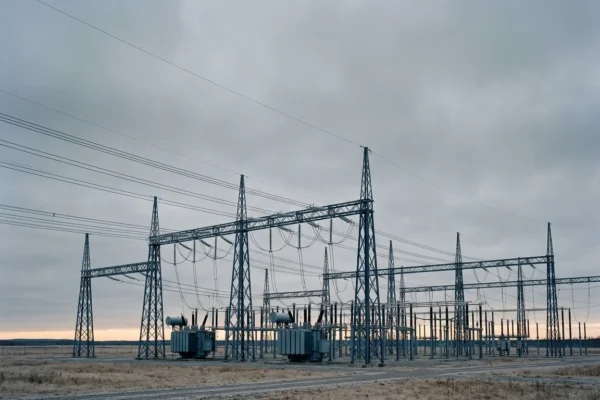
The usual approach is to build a datacentre in a convenient place and pull power to it across the grid, with the losses and the dependence that brings. We have turned it around.
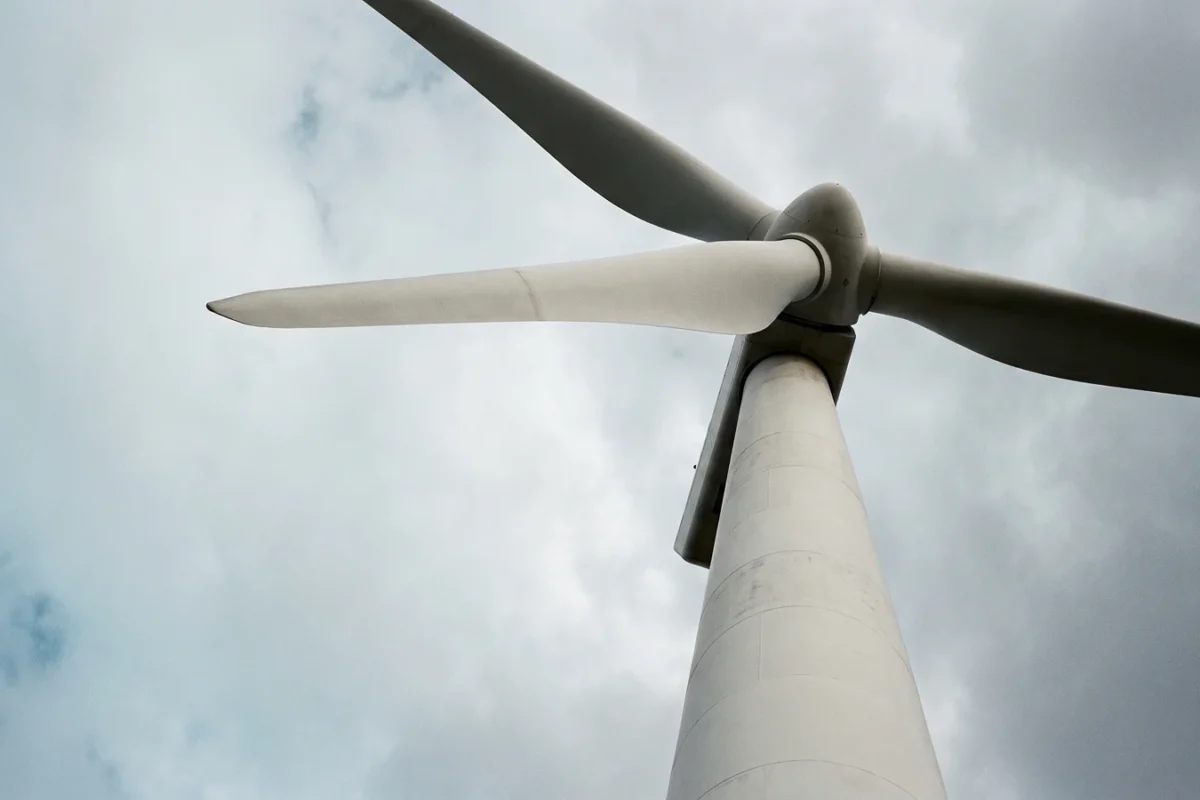
Edora’s datacentres are placed in the energy parks, where the wind and solar power is generated. It has been developed together with Eurowind Energy and Aalborg University, and the first one will be ready in Mariagerfjord in the autumn of 2026. By putting the computing capacity close to the production, we reach up to 95% renewable energy and markedly less waste along the way.
For you, that means two things. You get a cloud whose energy consumption you can document rather than explain. And you get an infrastructure whose energy base is part of the solution rather than a hidden risk.
Green operations have to stand up to scrutiny
A great deal is said about green IT, and some of it is hard to verify. We stick to what can be counted: where the power comes from, how much of it is renewable, and how the datacentres sit in relation to the production.
That is not a claim, it is a design choice. Green operations are built into where and how the infrastructure stands, not bought as a certificate afterwards. That is the kind that holds up when an auditor or a regulator asks for the figures behind it.
Whether you are choosing a cloud or reviewing the one you have, bring the energy in from the start. Not as an afterthought, but as one of the things that decides how robust your operations will be for many years to come.